Physical Address
304 North Cardinal St.
Dorchester Center, MA 02124
Physical Address
304 North Cardinal St.
Dorchester Center, MA 02124

Your daily digest of the most important AI developments, Tuesday, March 24, 2026. Here’s what actually matters from today’s briefing, no fluff attached.
Today’s thread ties together neatly: AI is moving from being a tool you use to something that acts on your behalf, moderating your posts, encrypting your thoughts, generating images, and even playing a dead actor in a film. That shift is happening faster than most people realise.
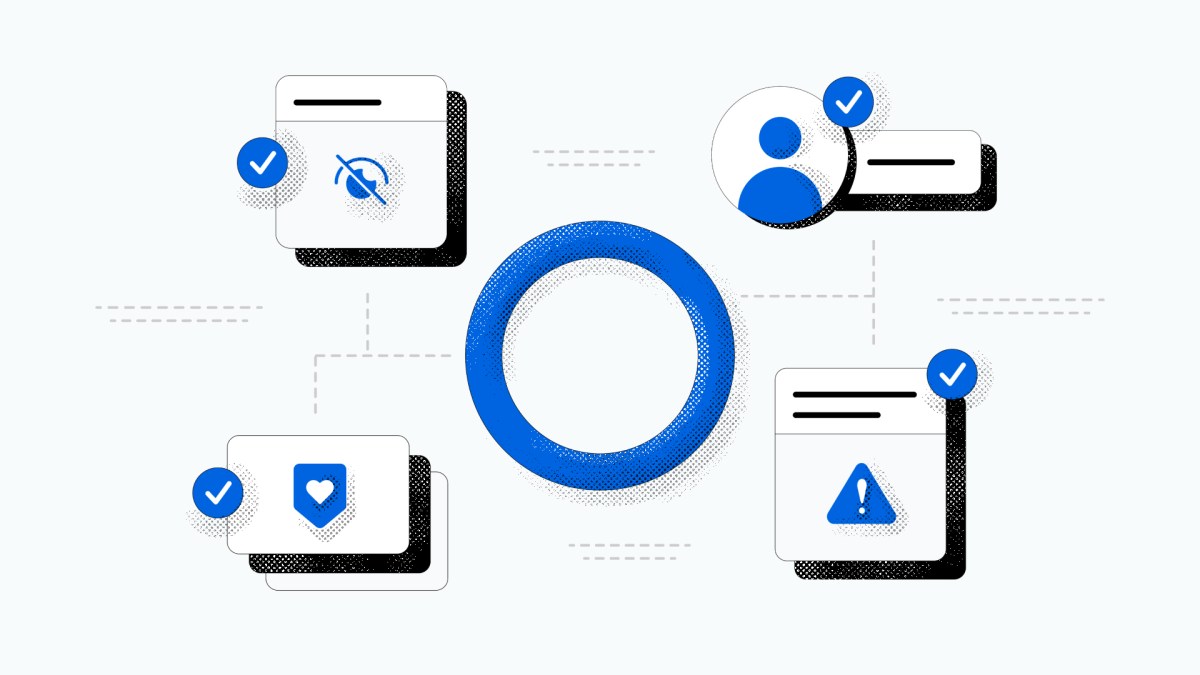
Meta has launched an AI-powered support assistant across Facebook and Instagram, starting in all markets where Meta AI is currently available. The tool handles account problems end-to-end, not just pointing you at a FAQ, but actually taking action: reporting scams, appealing content removals, resetting passwords, managing privacy settings.
Response time is reportedly under five seconds for most requests. That’s a real improvement over the existing support experience, which has been notoriously bad for years. Meta says the same AI is also being used on the enforcement side, catching scams faster and reducing false positives in content moderation.
The detail worth sitting with: AI agents are now making moderation decisions at scale on platforms used by three billion people. The assistant is rolling out gradually, but the direction is clear. Source: Meta Newsroom.

Moxie Marlinspike, Signal’s founder and the person who integrated end-to-end encryption into WhatsApp back in 2016, announced his company Confer is partnering with Meta to bring the same kind of privacy architecture to Meta AI.
The argument in his blog post is worth reading in full. He’s blunt: AI chat apps have become the largest centralised data lakes in history. People type their medical questions, financial anxieties, and half-formed thoughts into these systems, and right now none of it is private. Confer has been building technology so that conversations are encrypted before they leave your device, nobody at the company can read them, including him.
Now that architecture is going into Meta AI. Confer stays independent, but its privacy layer will underpin Meta’s AI assistant, similar to how Signal Protocol sits under WhatsApp without Signal owning WhatsApp. Whether Meta will fully implement this or water it down in practice is the question nobody can answer yet. But the ambition is real. Source: Confer Blog.

Microsoft’s second-generation image model, MAI-Image-2, just landed on the Arena.ai leaderboard in third place, behind the top two labs but ahead of a lot of names you’d have expected to be there. It’s live now in the MAI Playground, rolling out to Copilot and Bing Image Creator, with API access open to select enterprise customers.
The technical focus is on photorealism and reliable text rendering. In-image text has been a consistent weakness for image generators, MAI-Image-2 apparently handles it well enough for poster design and infographic generation. There’s also a push toward rich scene generation, which means handling surreal and highly detailed prompts without the usual weird artifacts.
Microsoft built this in close collaboration with photographers and designers, which shows in the priorities: natural light, accurate skin tones, lived-in environments. That’s different from optimising for benchmark scores. Source: Microsoft AI.
The number keeps going up. SoftBank’s deal to acquire DigitalBridge pushed the total data centre M&A figure past billion for the year so far. The AI compute buildout isn’t just driving new construction, it’s reshaping who owns the infrastructure. Bloomberg Law has been tracking the deals, and the list is long: SoftBank, DigitalBridge, and a string of others consolidating digital infrastructure to meet demand they’re betting won’t slow down.
For context: the same pattern drove semiconductor consolidation in the 2010s. The infrastructure layer tends to consolidate before the application layer does. Source: Bloomberg Law.

Amazon’s AI-native Alexa launched in the UK on March 19 as part of an Early Access rollout. It’s free for Prime subscribers and £19.99/month for everyone else after the early access period ends. UK customers have interacted with the old Alexa 114 billion times over three years, so there’s a real installed base here waiting to see whether the new version actually earns that usage.
The new Alexa is conversational in a way the old one wasn’t, it can hold context across a conversation, take actions in the real world via third-party integrations, and personalise responses based on your history. Whether it’s genuinely better than asking your phone is a fair question, but Amazon has a hardware advantage that Google and Apple don’t: tens of millions of Echo devices already in UK homes. Source: Amazon.

Val Kilmer died in 2025. He’d been cast as Father Fintan, a Catholic priest and Native American spiritualist, in director Coerte Voorhees’ film As Deep as the Grave five years before he died. He never made it to set. His daughter Mercedes and son Jack have approved a posthumous AI-generated performance in his place, built using generative AI with the cooperation of his estate.
This is genuinely complicated territory. Voorhees says the role was designed around Kilmer specifically, drew on his Native American heritage and his connection to the Southwest. The family kept saying he really wanted to be part of it. That context matters, it’s different from a studio resurrecting an actor’s likeness to sell more of something.
But it still raises questions that don’t have clean answers: what does consent mean when it was given years before someone died? What happens when AI can recreate anyone who ever appeared on screen? Source: Variety.
Today’s stories share an odd thread: AI moving from passive tool to active participant. It’s moderating your posts, encrypting your private thoughts, generating images at a professional level, and now filling in for human actors after they’re gone. The question worth asking isn’t whether this is impressive, it clearly is. It’s whether the governance is keeping pace with the capability. Based on today’s news, the answer is mostly no.
Want more like this? FridayAIClub.com publishes daily AI news briefings, the signal without the noise. Subscribe to get it in your inbox.